

Productivity hacks from Robin James, a bestselling thriller author
How her background shaped her writing
Robin James didn’t stumble into productivity. She was trained for it. Years in law school and litigation meant writing under pressure was non-negotiable. Deadlines were hard. Consequences were real. That discipline carried directly into her fiction writing. She has now published more than 65 novels under “several” different pen names. That said, she’s clear: that volume was never the goal. She also has unfinished manuscripts collecting dust. Every writer does.
There is no single right way to write
The most common question Robin gets is “How do you write a novel?” Her answer never changes. Any way you can. Some writers outline every chapter before they type a word. Others discover the story as they go. Both work. Neither is wrong. What doesn’t work is borrowing someone else’s process and expecting it to fit. The goal is to find what works for your brain and protect it.
Free handout: Six key productivity hacks for authors.
Claim your space
Before anything else, claim your space. It doesn’t need to be a dedicated office. A kitchen table works. A coffee shop works. What matters is consistency. Sit in the same place, and your brain starts to associate it with writing. Just as important: define your goal before you open your laptop. Robin’s goal is always one chapter per day. Not a word count. Not a time block. One chapter. That single target keeps her from losing hours to email, social media, and writing forums.

Writing sprints: the biggest game changer
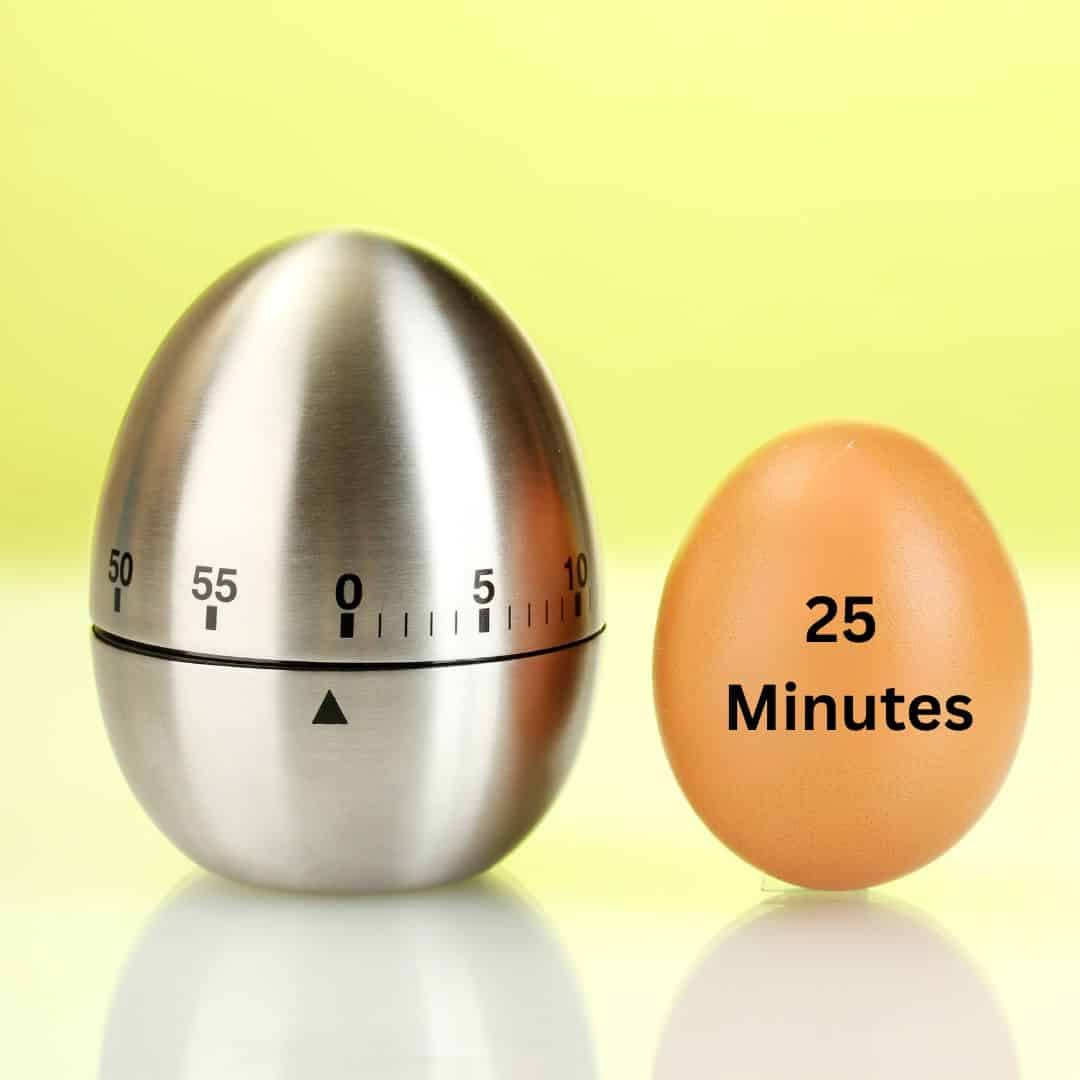
The single most impactful shift in Robin’s process was adopting writing sprints. She uses the Pomodoro method. Set a timer for 25 minutes. Write without stopping. Don’t edit. Don’t go back. When the timer goes off, take a break. Then do it again. Robin writes two 25-minute sprints per day. That’s just 50 focused minutes of actual writing. Those sprints typically produce around 2,500 words. The key permission she gives herself: write badly. First drafts are supposed to be messy. Getting the words down is the only job.
Writing around real life
Sprints work precisely because they are short. A nap time counts. A lunch break counts. Even 15 uninterrupted minutes can move a story forward. Once the creative well is open, ideas keep coming even when you step away. Most writers don’t struggle with ideas. Managing them is the real challenge.
Measure something
Pick one metric and track it daily. It could be word count, chapters finished, or story problems solved. Even 500 words a day produces a novel in a few months. Robin measures chapters. That’s how she can complete a full draft in about a month. The metric itself matters less than having one. A measurable goal creates accountability. Without it, it’s easy to feel busy without making real progress.
Free: word counter.
Use an app
Several apps can help you maintain focus. Popular attention apps include:
- Forest – Gamified Pomodoro-style focus timer that grows a virtual tree as you stay off your phone (and loses it if you get distracted). (iOS and Android)
- Be Focused (iOS) Focus timer for work and study
- Focus To-Do – Combines Pomodoro timers with task lists and analytics so you can plan and measure focus sessions. Apple (iPad, iPhone, Apple watch, Mac) Android, Windows, Chrome
- Pomofocus – A minimalist browser-based Pomodoro timer that works without logging in — great for distraction-free workflows.
- Reclaim.ai’s Pomodoro Timer – Part of a larger productivity suite, it automates focus blocks and integrates with your calendar. ( Outlook, Google)
You can also use your phone’s built-in timer or stopwatch — or an actual egg timer.

Distraction-free writing tool!
These are single-purpose writing tools designed so you can write without browsers, notifications, or apps pulling your attention.
The Alphasmart 3000 was the device recommended by Robin James, but this device is no longer produced. You can still find used or refurbished AlphaSmart 3000 units for sale on sites like eBay or secondhand electronics sellers, but these are not newly manufactured.
- Freewrite Smart Typewriter – A modern e-ink writing device with a mechanical keyboard and built-in storage for long writing sessions.
- Freewrite Traveler – A portable, clamshell distraction-free writing machine with an E-ink screen and full keyboard.
Ambient sound and focus music
Music with lyrics is off the table during drafting. The words compete for attention and win. Instead, Robin uses ambient sound and focus-specific music. She recommends these tools in particular:
Brain.fm creates soundscapes designed specifically for focus. It’s built around research on how sound affects concentration.
Amazon Music has curated playlists like “music to write by” that provide low-distraction background sound without lyrics.
Where authors commonly find ambience:
- Streaming platforms with ambient playlists
- Dedicated focus or meditation apps
- YouTube channels specializing in long-form ambient audio
- Smart speakers or sound machines

Another powerful productivity hack for writers is using tools that reduce friction during drafting and revision. Platforms like our Marlowe 3.0 Author Dashboard help writers stay focused by streamlining feedback, organization, and iteration—so more time is spent writing and less time managing the process. Try it for free, here.
Write every day
During a first draft, Robin writes every single day. On days when she isn’t drafting, she is outlining the next project or managing the business side of publishing. The writing portion might only take an hour. The full workday is much longer. Showing up daily, even briefly, keeps the story alive in your mind and maintains momentum between sessions.
Don’t delete your work
Robin has one non-negotiable rule: never delete anything. If a scene isn’t working, cut it and drop it into a separate document she calls a “burn file.” Discarded scenes have a way of resurfacing in later books. What feels broken in the moment often turns out to be strong material once you’ve gained some distance. Nothing is wasted.

First drafts vs. revision
Robin writes her entire first draft straight through. She doesn’t look back. No revising mid-draft. Once the draft is done, she does a cleanup pass. Then the manuscript rests. Then she revises again. Beta readers and a professional editor come after that. The process is layered and deliberate. But it starts with a complete, imperfect draft. Persistence matters more than perfection.
Final thoughts
Writing fast is not the goal. Getting out of your own way is. Systems reduce friction. Friction is what keeps writers from finishing. Claim your space, set a daily goal, sprint through your draft, and protect your work. The process doesn’t need to be complicated. It just needs to be yours.
About Robin James
Robin James is the pen name of a former law professor and litigation attorney with more than two decades of courtroom experience. Drawing on her legal background, she writes fast-paced thrillers that explore the tension between justice and the law. Her most popular series follows Cass Leary, a scrappy small-town defense attorney navigating high-stakes cases in northern Michigan. Robin has published more than 65 novels across several pen names and has been writing full time for seven years. She is known among fellow authors for her prolific output and practical approach to the craft. When she isn’t writing, she is thinking about the next book.
Editor’s Note: This blog post was written from a previous conversation between authors Danielle Girard and Robin James from a past First Draft Friday podcast.


