

The importance of pacing in fiction writing
Everyone notices pacing in a story, whether they can label it or not. There’s an expectation in fiction that a story will not only contain certain elements but deliver them at a pace that feels right for the setting and characters.
Read More
How to structure your novel
Jim Woods, a full-time writer with seven years of experience, provides authors with a simple way to structure their novel and create a compelling story that draws in the reader.
Read More
Building strong side characters
In the latest First Draft Friday, author Cindy Skaggs discusses how you can use secondary characters to improve your novel.
Read More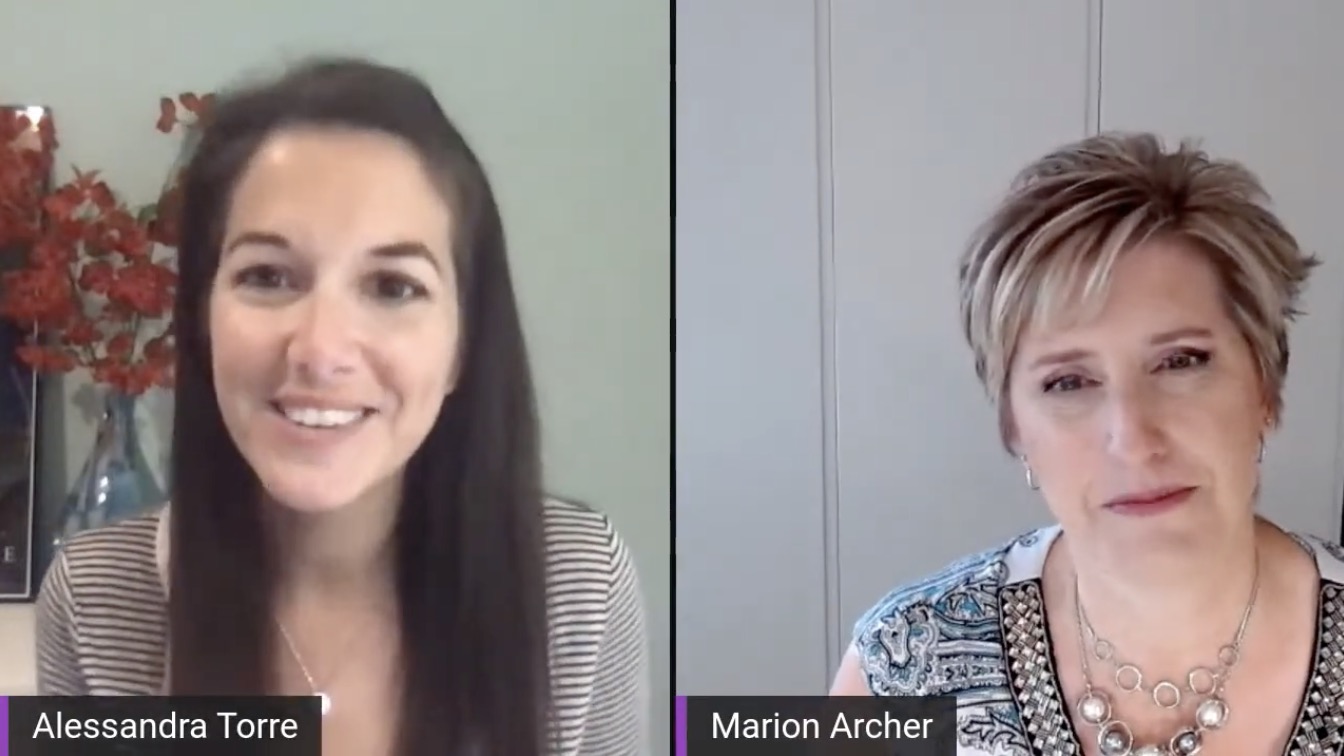
Tips for building your editorial team
In the latest First Draft Friday, editor Marion Archer discusses what to look for when putting together an editorial team for your book edit.
Read More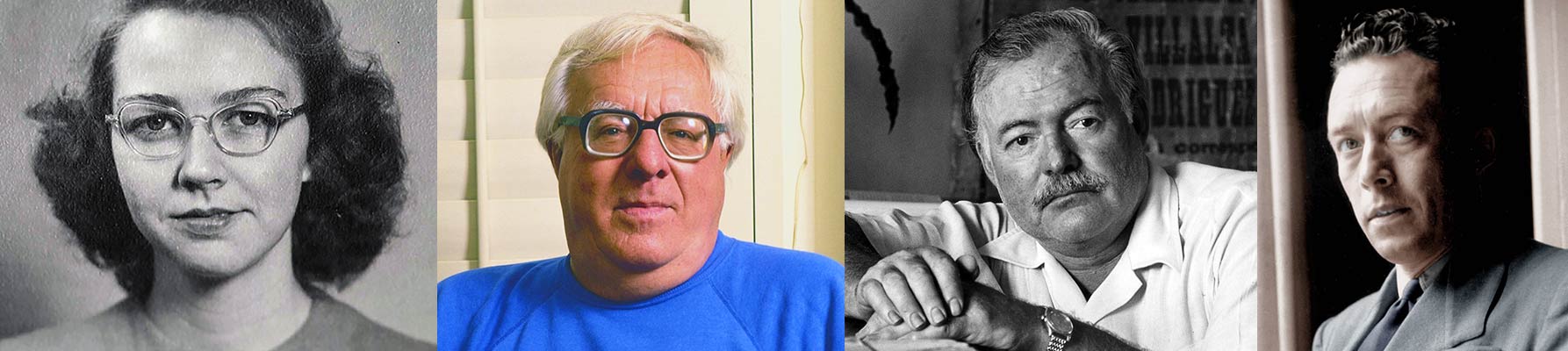
Authors’ writing advice comes to life
Here's a look at writing advice from some of the world's best known authors, along with their animated images in MyHeritage's trippy AI program Deep Nostalgia.
Read More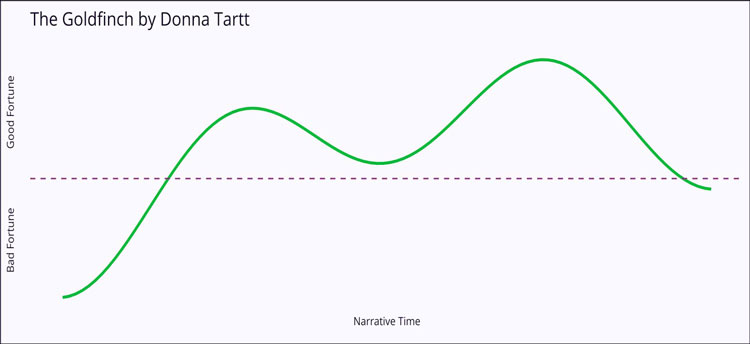
Examples of narrative arcs in modern fiction
Do novels share certain storytelling patterns? An A.I. has determined that most best-sellers use one of seven universal plot archetypes.
Read More
The storytelling secrets of ‘The Queen’s Gambit’
A look at the storytelling techniques in the Netflix series "The Queen's Gambit" and how authors can learn its techniques.
Read More
How to use setting in your fiction writing
Bestselling author Maria Luis joins First Draft Friday to talk about how writers can use setting and location in their novels.
Read More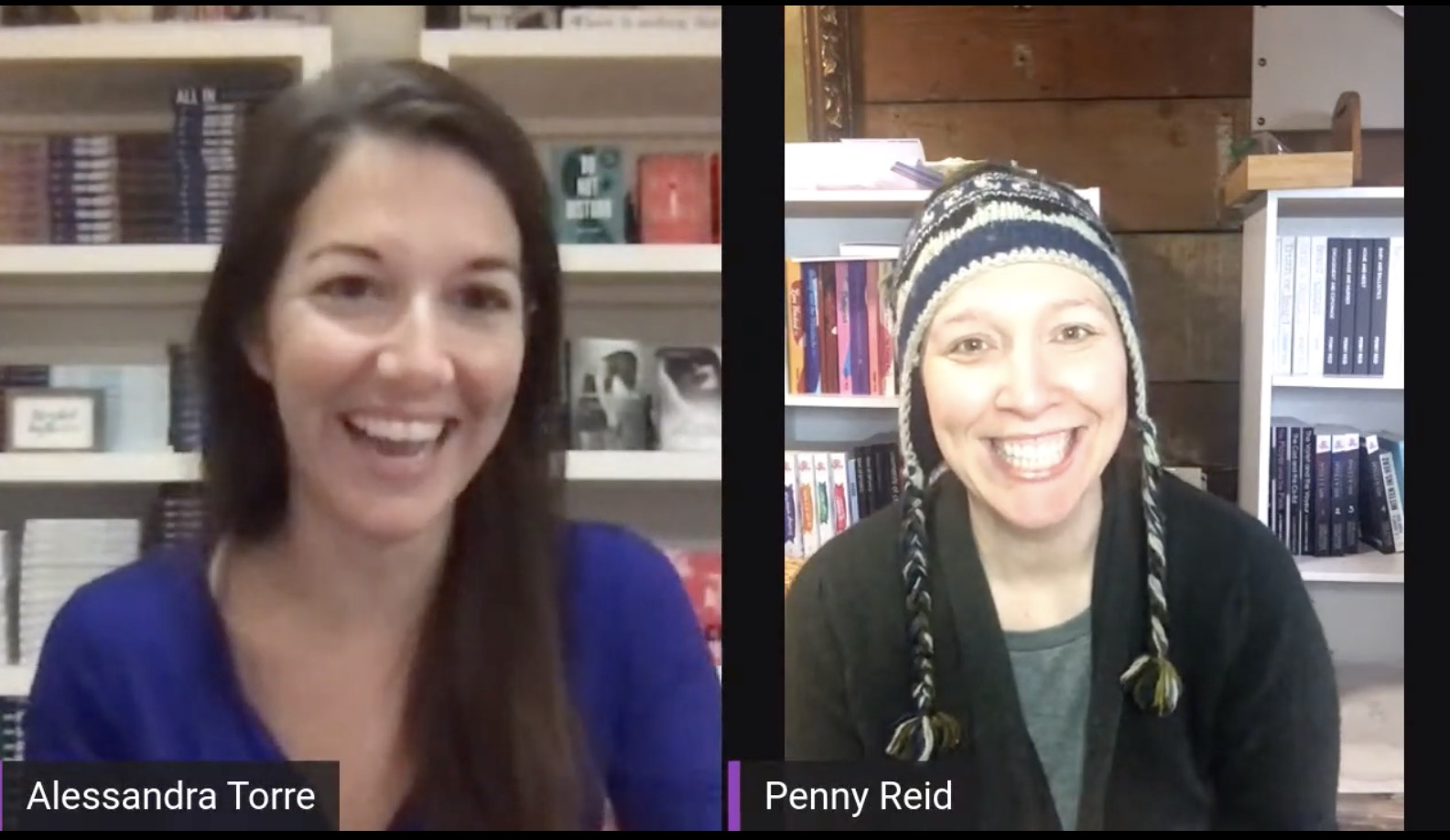
Self-editing tips from a bestselling author
On the lastest First Draft Friday, we brought in bestselling romance author Penny Reid to share the to-do list that she moves through when performing a self-edit of her manuscript.
Read More
How to create a coherent crime series
A crime fiction author offers writing tips for creating coherent series that have both commercial potential and creative freedom.
Read More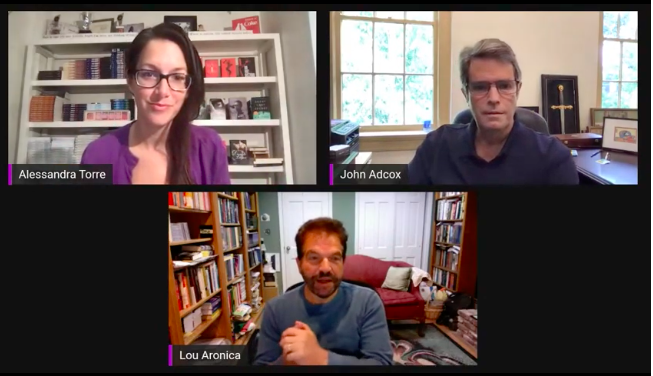
How many acts should your novel have?
Given the limitations of the three-act structure, here are the benefits of using a four-act structure in your novel writing.
Read More
Skeleton drafts: A better way to outline novels
Skeleton drafting is the technique you can use to plot intricate, action-packed, emotionally-charged books quickly – while enjoying every word you write as a fiction author.
Read More